

ID 284408324 © Arkadiusz Fajer | Dreamstime.com
Who would have thought that cutting an apple cake could require courage?
Picture a meeting where sixteen people gather weekly for reflection and discussion. They take turns bringing scrumptious treats to share as a snack.
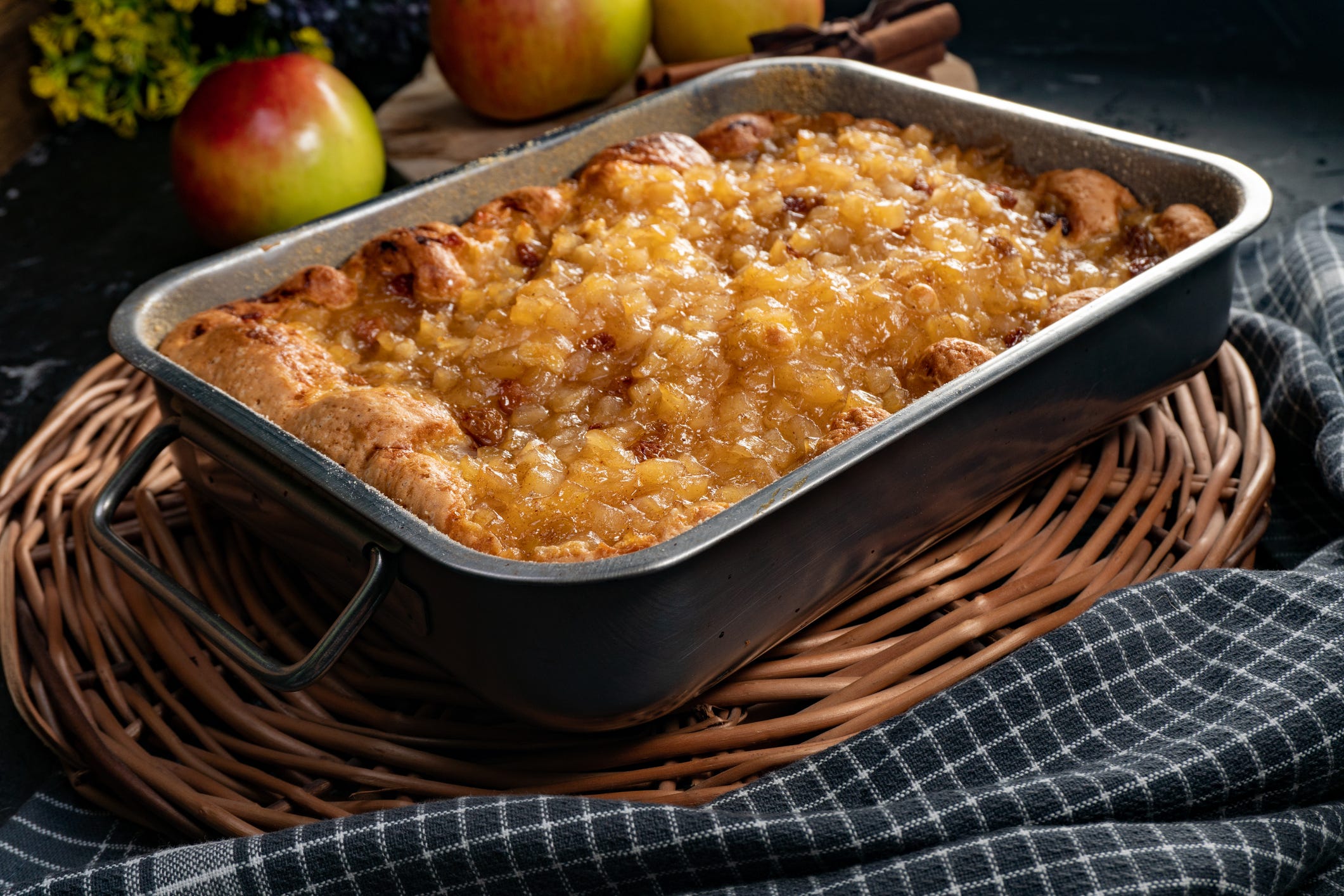
The delicious apple cake arrived straight from a participant’s oven, browned and bubbly, filling the room with the aroma of warm apples and sugar.
The cake sat untouched while people ate mini muffins, fruit and yogurt, and lined up for coffee and lemon water.
Why?
People had many unspoken reasons, I’m sure.
I asked a long-term participant why she didn’t get things started and cut the cake, and she said, “Oh no, not me. I wouldn’t even know where to start.”
Others may have thought:
I might cut it wrong.
I don’t want to ruin the cake.
I don’t know how that serving tool works.
I don’t want to take too much.
I’m relatively new here; it would be presumptuous.
Surely the person who brought it should cut it.
Someone else will do it.
The scene posed an interesting question:
Why would no one make the first cut?
Each person may have had a perfectly reasonable explanation for why somebody else should go first.
And still, the cake remained untouched.
Perhaps courage isn’t always doing something enormous. Sometimes you show courage by your willingness to tolerate the small discomfort of going first.
How often do we wait for someone else to make the first cut—not because we’re incapable, but because going first carries a social or emotional risk?
Sending the invitation.
Signing up to attend alone.
Offering the idea nobody else has offered.
Starting the difficult conversation.
Walking into the room where you don’t know anyone.
Saying, I’ll do it.
Sometimes it’s scary to make the first cut, even when the actual action is easy.
The risk isn’t Can I physically cut this cake?
It’s social.
Will I do it wrong? Will someone object? Am I entitled to do this? Will I look foolish? What if nobody follows me?
Of course, going first isn’t the same as barging ahead. Sometimes waiting shows respect for someone else’s role or prerogative.
But sometimes what looks like consideration provides convenient cover for our own reluctance.
That’s a distinction worth making: Am I waiting because someone else genuinely should go first—or because I don’t want to, or I’m scared to?
And sometimes the first cut feels irreversible. Once that beautiful cake is cut, it isn’t untouched anymore.
You can never make the first cut again.
But going first changes more than the immediate moment.
It changes what you believe you can do.
Each time you act despite that little voice telling you to wait, you learn something about yourself.
You discover that uncertainty doesn’t stop you.
You survive a potential awkward response.
You recover when your first attempt doesn’t work exactly as you hoped.
The person who once waited for an invitation becomes someone who extends one.
The person who dreaded walking into a room alone discovers she can introduce herself to strangers.
The employee who kept an idea to herself learns that she can speak without knowing whether anyone will agree.
The first attempt doesn’t eliminate the discomfort. But the next time you encounter that uncomfortable moment, you have evidence: I’ve done this before.
Going first also changes what becomes possible for other people.
One person raises the concern everyone else has avoided, and suddenly an honest conversation can begin.
Another puts her finger on the problem, the elephant in the room the team had dodged for weeks.
Someone welcomes the newcomer, and others join in.
One person volunteers, and the task that seemed impossible to organize gets underway.
Initiative can be contagious.
Going first can be an act of generosity. You accept the uncertainty that everyone else has avoided, making it easier for them to participate..
Over time, that willingness can even change the norms in a family, team, community, or group of friends.
People learn that we can speak up here. We can suggest things. We can invite one another. We don’t always need permission.
You don’t have to know that your first cut will be the right one. You only have to decide that waiting isn’t always better than beginning.
Someone cuts the cake, and suddenly nobody needs courage anymore.
They’re just having cake.
The first cut doesn’t have to be perfect. It only has to break the inertia.
We often think we’re waiting because we’re uncertain about what to do.
Sometimes we know exactly what to do.
We’re waiting because we don’t want to be the first person to do it.
Eventually, at our meeting, someone cut the cake.
And then, of course, everyone ate it. It was delicious.
Nothing terrible happened. Nobody criticized the size or angle of the pieces. Nobody questioned whether the person holding the knife had the authority to use it.
The difficult part had never been cutting the cake.
It was being the one willing to cut it first.
Where in your life are you waiting for someone else to make the first cut?
—Warmly, Susan

Continue the Conversation
The conversation doesn’t end with these weekly essays.
Many of the ideas I explore here continue in Substack Notes—in observations, questions, and ordinary moments that sometimes become the beginning of a future essay.
I share those thoughts in Substack Notes, where readers add their own experiences and perspectives. Some of my favorite conversations happen there.
If you’d like to join me, I’d love to meet you in Notes.
And this week, I’d love to know:
Where in your life are you waiting for someone else to make the first cut?
I’d love to hear what you discover in the comments.
This is such a great illustration of how courage doesn't always look courageous.
Sometimes courage is walking into a room where you don't know anyone.
Sometimes it's starting the uncomfortable conversation.
Sometimes it's saying, I’ll do it.
And sometimes, apparently, it's cutting the damn cake. 😂
But the deeper lesson is about inertia. We can spend an incredible amount of energy convincing ourselves that we're waiting for the “right” moment, the right person, or the right permission when, underneath it all, we're afraid to make the first move.
I've learned that one of the most important steps in transformation is realizing that action doesn't require certainty.
You can be afraid and still move.
You can be unsure and still begin.
You can make the first cut imperfectly and discover that the cake is still delicious.
That's a lesson I think applies beautifully to purpose, too. We often wait for purpose to reveal itself completely before taking action. But sometimes purpose becomes clearer **because we acted.**
The first step creates information the waiting never could.
And there's another piece here I really appreciate: going first can be an act of service.
You aren't necessarily being the boldest person in the room. You're simply willing to absorb a little uncertainty so someone else doesn't have to.
One person makes the first cut.
Someone else realizes it's safe to pick up a plate.
Then another person joins.
And suddenly the whole room is participating.
That's how change often begins- not with everyone becoming fearless, but with one person being willing to move while still carrying their fear.
So maybe the question isn't only, “Where am I waiting for someone else to make the first cut?”
Maybe it's:
“What becomes possible for everyone else if I make mine?”
Beautiful piece, Susan. And yes... somebody should probably just cut the damn cake. 🍎😂