

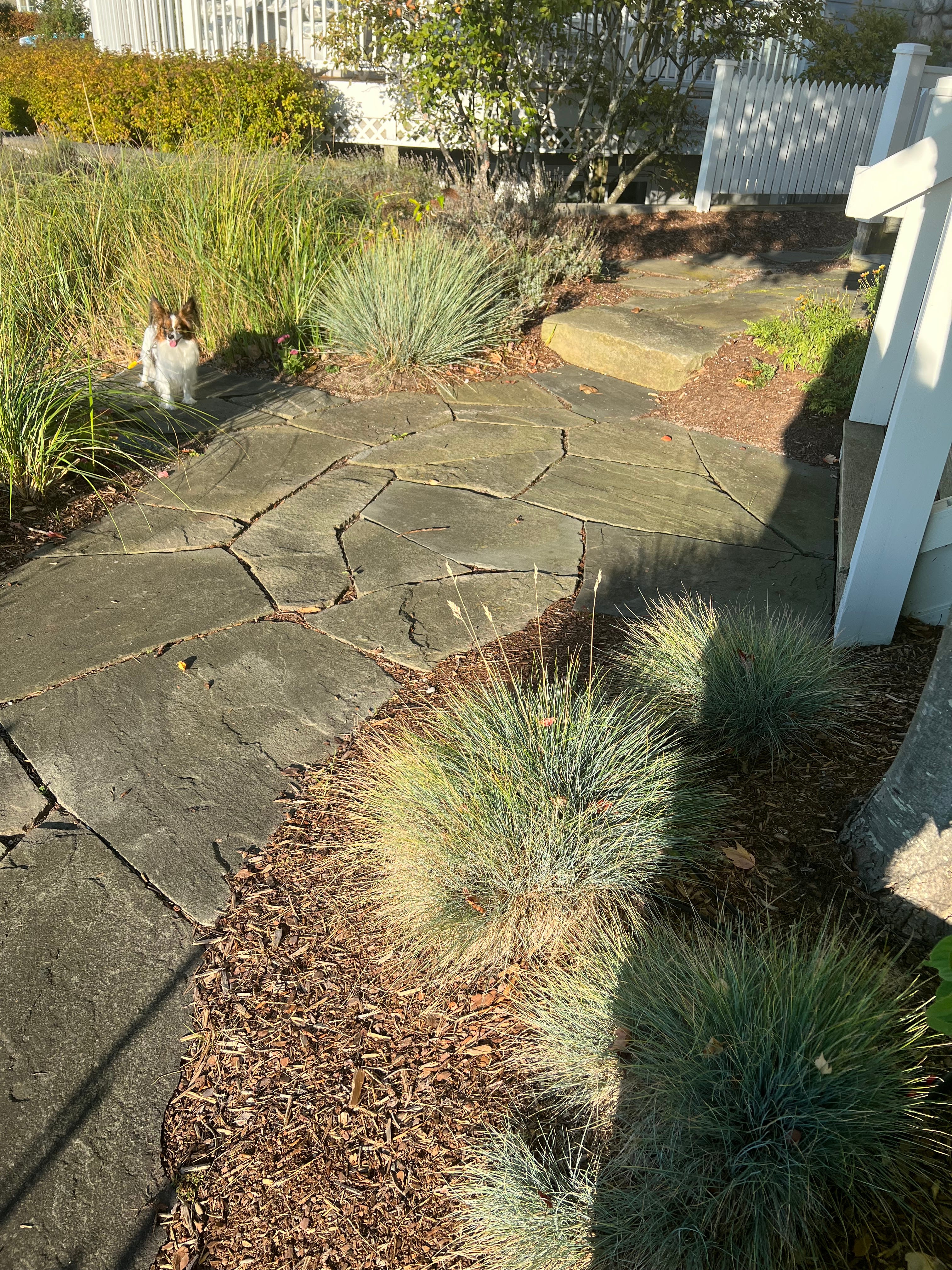
The path we chose is still unfolding.
My friend Susan once sent a song she’d written to the Carpenters. Karen Carpenter wrote back and said she’d like to see more.
Susan didn’t send more. I don’t know why, and that part of the story is hers. I do know she became passionate about historic preservation. Music stayed in her life, too. She played flute in a philharmonic orchestra, sang the national anthem at local events, and kept playing and composing.
I sometimes wonder about the songs she might have written if she’d pursued Karen’s invitation. I don’t wonder because I think she chose badly. I wonder because a life can hold more than one appealing possibility, and we can’t live them all.
My friend Phyllis faced a different kind of choice. She loved consulting and training, but after becoming unexpectedly pregnant with triplets, life on the road with her then-four children no longer worked. She left that work. Her children have enriched her life beyond anything I can imagine. I still think the people who might have learned from her missed a wonderful opportunity.
And a former TechSmith employee left product development to drive eighteen-wheelers. I’ve followed the routes and adventures he posts on Facebook for years. His career change choice surprised me at first. But seeing his joy in his new life reminded me that the person living a choice has reasons an observer may never share or understand.
We make choices because we are human, and time won’t let us do everything. Sometimes two things we love require the same hours. Sometimes money, health, family, or responsibility closes a road we would gladly have taken. Sometimes an opportunity arrives before we’re ready to recognize it. And sometimes we choose with the best understanding we have, only to understand what we want and need better years later.
I spent sixteen years in public education. I loved the work and the people, but during the last eight years I was losing something I need for my soul: change and challenge. I began looking for a different career. College marketing appealed to me because I loved helping students find educational opportunities. Corporate training appealed to the part of me that loved helping people learn and grow. I knew I was good at both.
After two years of looking, GM offered me a contract position in management development. I took it, but I was frightened.
I valued college marketing just as much, and I knew I was unlikely to make another complete career change after spending two years on this one. Taking the GM position might close that door. I was also leaving the security of a guaranteed job in education, in which I was already halfway to retirement, for a contract. I had to decide without knowing whether the risk would pay off.
The choices we make shape who we are and the lives we live.
We make a decision on an ordinary Tuesday without realizing we’re constructing a life. Take the job. Don’t take it. Marry this person. Have the child. Move. Stay. Answer the letter. Save it in a drawer. Most choices don’t announce themselves as forks in the road when we’re standing at them.
They are just the day-to-day ordinary choices that blended together create the life we lead.
Robert Frost’s The Road Not Taken stays with us because he gives that moment a shape: two roads in a wood, and one person who cannot travel both. He imagines saving the first road for another day, even though he knows one road leads to another and he may never return.
That was what frightened me about accepting GM’s offer. I wasn’t certain I’d chosen the better career. I knew I might be choosing the only one I would ever get to try.
Much later, we tell the story as though we stood before two clearly marked roads and calmly selected one. Seriously? It doesn’t work that way. I remember how hard it was to let one possibility go and the turmoil in my mind that accompanied that decision.
I do regret staying in education as long as I did. I can say that without dismissing those years or wishing away everything that followed. The regret tells me something true about how long I ignored my need for change. It doesn’t tell me the life I built afterward was a consolation prize—or that the life I lived before deciding to change careers was inferior.
I truly loved that career as much as what followed. But it wouldn’t have been the most fulfilling life choice for me.
Making the leap taught me: I could take a calculated risk, use my creativity, and recover if things didn’t work out. That knowledge made me more willing to take risks later.
Eventually, my GM work led me to organizational and management development consulting, to decades of listening to people wrestle with difficult decisions, and to writing about people and work.
I couldn’t see all of this path ahead when I accepted the GM contract. Nor will I ever know what college marketing might have brought to my life. I can imagine a version of my life in which I loved that work, too. Imagination can’t tell me what it would have cost, or what else I might have missed.
That’s what makes our unlived lives so easy to idealize. We see the opportunity and the pleasure it might have offered. We don’t have to live through its tedious Tuesdays, its unexpected losses, or the choices it would have demanded next.
Looking back can be useful. I can ask why I stayed in a job after I knew I needed something different. I can carry that knowledge into a decision I face today. But if I keep replaying the years as though I can change them, I give my attention to a life I can no longer enter. Meanwhile, I may miss knowing the people and possibilities in front of me.
I don’t think we have to celebrate every choice we’ve made, both large and small. Some deserve regret. Some were made under pressures we wouldn’t wish on anyone. Others were good choices that still required us to give up something we loved or could have found joy in.
We can tell the truth about all of that. Then we can ask a gentler, more useful question: What did the life I actually lived make possible?
For Susan, music remained, even though it didn’t become the career that letter might have opened. Phyllis built a life with her children while leaving work she was gifted at. My former colleague found something on the road that mattered more to him than the career others expected him to keep.
I found work that let me listen, teach, write, and help people see their choices more clearly on a broader scale than would have been possible in education. I wish I had found it sooner. I’m glad I found it.
The roads we didn’t take can still stir curiosity, sadness, even longing. We needn’t pretend otherwise. But the life we did live deserves our attention, too. It is where our relationships, contributions, ordinary pleasures, and next choices are. This life is still being made.

Continue the Conversation
I still wonder what a career in college marketing might have brought. I’m also grateful for what became possible because I chose differently.
Is there a road you didn’t take that you still think about? What did the life you chose make possible?
I’d love to hear your story in the comments.
Next week, I’ll turn toward another familiar part of ordinary life: when people disappoint us. How do we acknowledge the hurt and continue to treat someone we love with dignity? What do our expectations—and our responses—ask us to examine?
I also continue these conversations in Substack Notes, where I share the smaller observations and questions that often become future ValuesCrafting essays.

What kind of world do you want to live in?
ValuesCrafting begins with the belief that every person matters and that our ordinary choices help create the world we share.
Live what you believe. Create the world you want to live in.